
|
|
|
Established in 2004
|

Birds and Bird Watching of Hermanus, Cape Town & the Western Cape
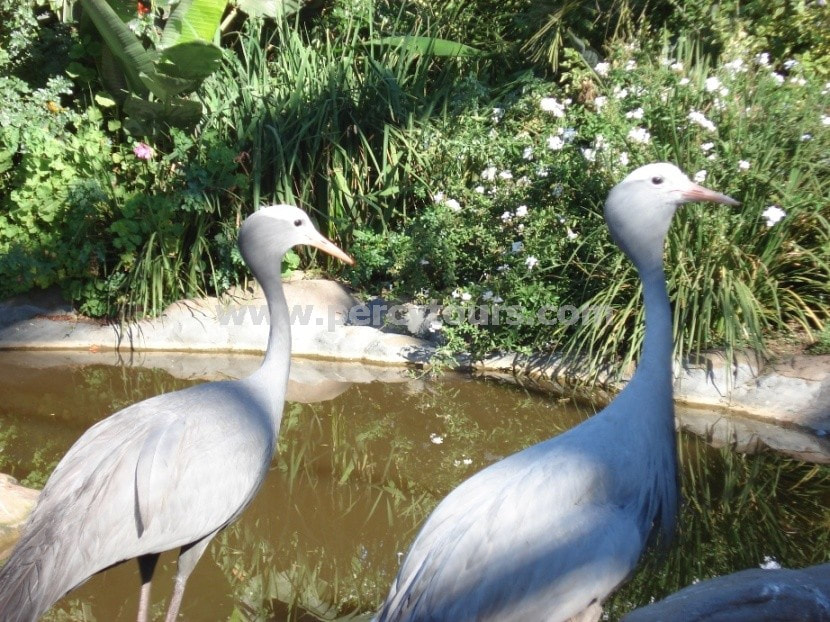
Blue Cranes, near Hermanus
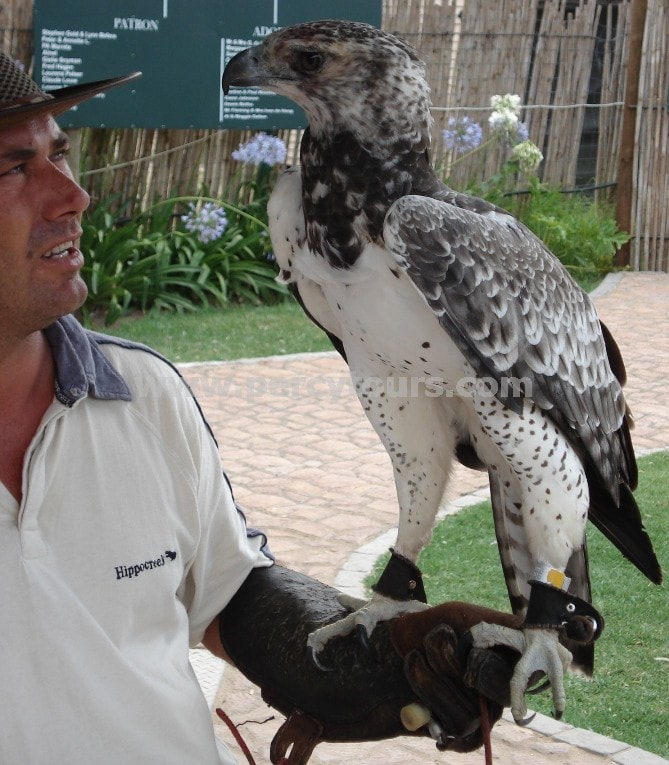
Martial Eagle, near Cape Town
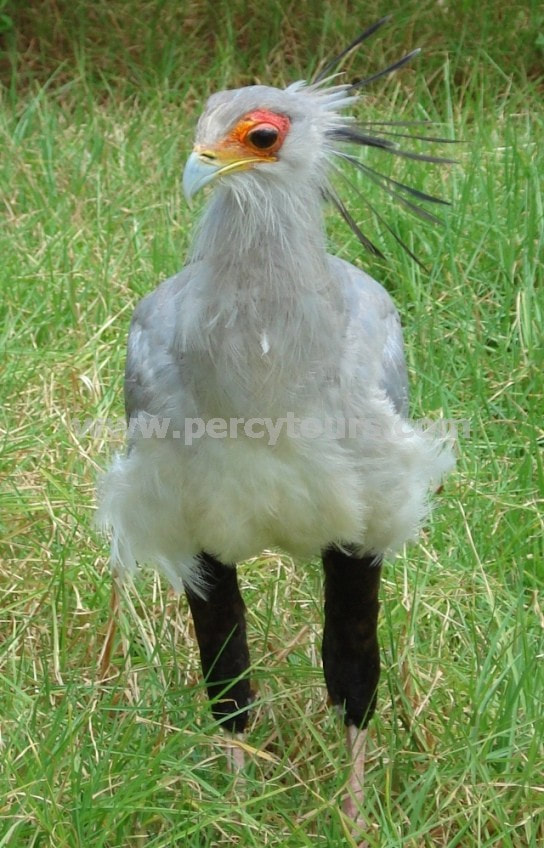
Secretary Bird, near Cape Town
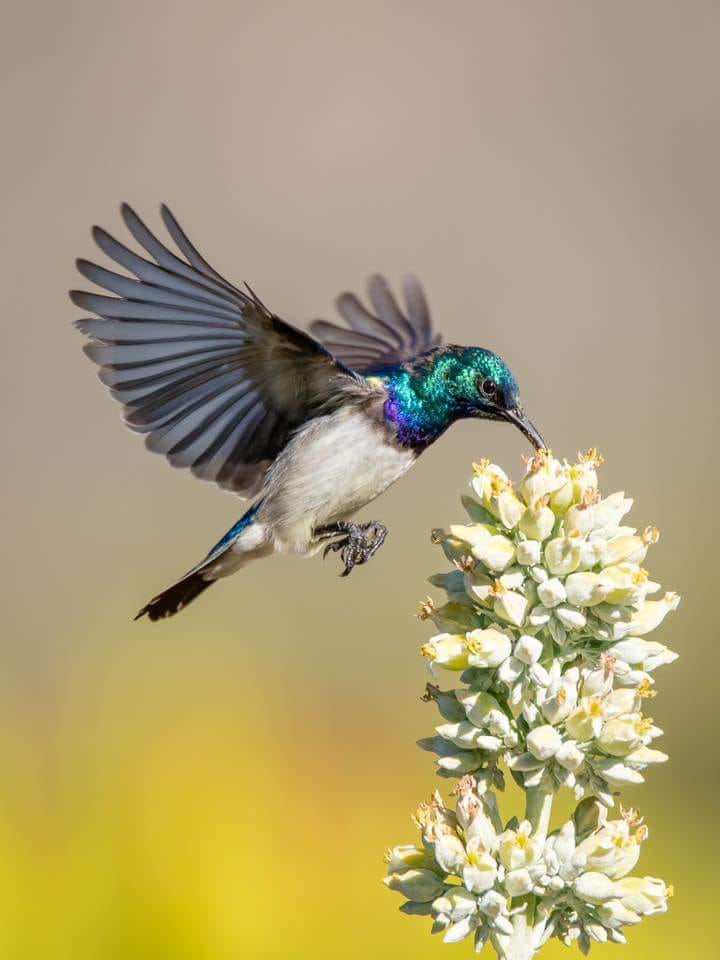
Sunbird (white bellied), Hermanus
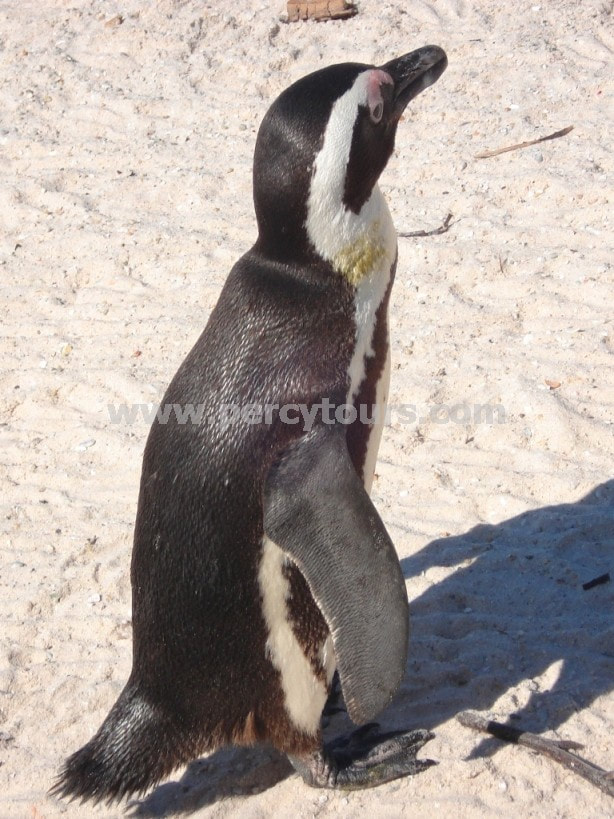
African Penguin, near Hermanus
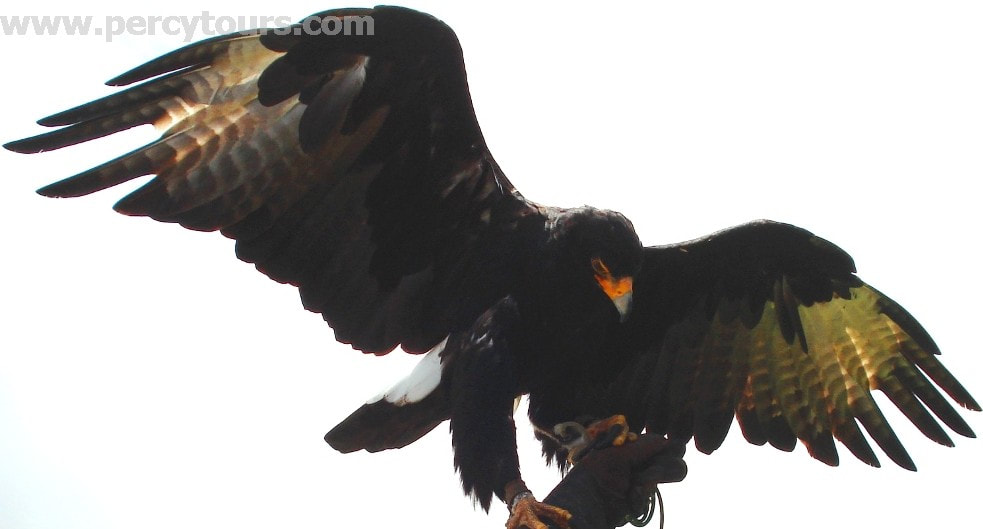
Black Eagle, Cape Town, South Africa
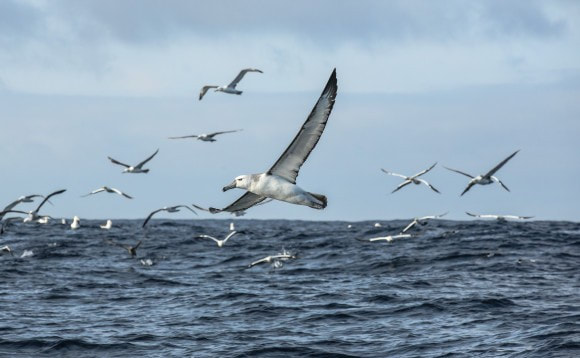
Ocean Bird Watching tours
|
The Blue Crane is the smallest of the Crane species and found mainly in the Overberg and Swartland regions of the Western Cape, which is home to a population of approximately 20,000 individuals. (There is also a small population of 60 birds at the Etosha National Park in Namibia.)
The Overberg country fields with its ever changing colours, hues and undulating tapestry is a pleasure to behold. The Blue Crane’s natural habitat within this region is dry grasslands and shallow wetlands, but has adapted well to the artificial grasslands created by the grain / pasture farming systems in the Overberg Region. Adults have a varied diet – depending on availability – of grain (wheat, barley, maize), insects and lucerne. These birds do not have crops like most other birds and need to eat small stones to aid digestion. The Blue Cranes engage in an enchanting courtship, accompanying by a series of complex coordinated calling in unison. The dancing consists of various behaviours such as bowing, jumping, running, stick or grass tossing and wing flapping. Apparently it’s also done for releasing tension and to strengthen the bond between the couple. These birds pair for life from the age 3 to 4 years old. Normally they have 1 to 3 chicks and an incubation period, done by both sexes, is about 30 to 33 days. Chicks fledge (1st flight) between 3 to 5 months of age. An adult Blue Crane grows to 4 foot tall, (a height of 117 cm) and weighs 5.1 kg. For protection from predators, like Jackal and Caracal, they roost in water at night. The male Crane normally takes the role of protecting the nest from possible danger. The Blue Crane is regarded as one of South Africa’s most endangered bird species and is listed as globally threatened in the International Red Data Book. A breeding program has been recently introduced to increase the population of these rare birds within the Hermanus and Overberg Region, with much success. The Western Cape has a stable and increasing population of South Africa’s National Bird the Blue Crane, due to the concerned and protective attitudes of the farming communities in these areas, toward ongoing contributions to Blue Crane conservation. OTHER BIRD SPECIES IN THE WESTERN CAPE Hermanus and its surrounding Fynbos areas are a paradise for bird watching and are home to over 350 bird species, with South Africa having approximately 1,000 bird species. The Overberg Birding Routes has been developed by Birdlife Overberg, with excellent information of the local hotspots as well as bird checklists and brochures. Also trained local birding Guides are available to take enthusiastic twitchers on a magical bird watching journey! Areas to be visited are - De Hoop, De Mond, Grootvadersbos, Fernkloof, Stony Point, Harold Porter Botanical Gardens, Kogelberg Biosphere Reserve, Rotary Way, Hermanus and Dyer Island, to name just a few in the Overberg area. All the Botanical Gardens like Kirstenbosch outside Cape Town are a must visit location too, as well as the World of Birds, Hout Bay. This is the largest bird park in Africa and features over 3,000 birds and small animals of 4,000 different species in walk through aviaries – experience nature close-up! The Nature Reserves support a number of endemic birds such as – Cape Sugarbird, Cape Rock-Jumper and Cape Siskin, Victorin’s Warbler, Orange-Breasted Sunbird, Cape Weaver, Greater Double-Collared Sunbird, Francolin, Guinea Fowl, Whydah, Sacred Ibis & Hadeda Ibis and Ground Woodpecker, Hoopoe, Cape Rock-Thrush and sometimes the Sentinel Rock-Thrush can be spotted in the more mountainous areas. More common include Cape Batis, Bar-Throated Apalis, Yellow Bishop, Red Bishop, Swee Wax-Bill, Neddicky, Grassbird and also a variety of Swifts, Martins and Canaries, Flycatchers, including the African Paradise, Blue Mantled Crested, African Dusky and Spotted, are regular in summer. To be spotted only in the Hermanus area are the Protea Seed-Eater, Agulhas Long-Billed Lark and Cape Clapper Lark. Birds of prey species are numerous and regularly spotted are - Verreaux’s (Black) Eagle, Jackal Buzzard, Black Harrier, African Goshawk, Osprey, Rock Kestrel, Kite, Sparrowhawk, African Fish Eagle, Peregrine Falcon and Owls. Waterbirds A large diversity of Waterbirds can be spotted at several estuaries of Onrus Rivier, Kleinrivier, Botrivier, and Uilenskraalmond near Gansbaai and De Mond near Arniston, also the Vermont saltpan outside Hermanus (in winter and spring). 3 Grebe species, Heron and Egrets, Rails, Ducks, Coot, Moorhen, Teals, Geese and occasionally Flamingos and Pelicans maybe spotted on lakes and lagoons. While on the coastline Cormorants and Darter, Gannets, Petrel, Skua, Tern, Plover, Sandpiper, Dikkop, African Penguin (the famous coastal birds - to be viewed at Betty’s Bay and Boulders Beach) and the African Black Oystercatcher. When it’s dry and sunny in the summer season, many of the regional migrant species return. Ocean Pelagic Bird Watching – Boat Tours to view and photograph seabirds
One of the most exciting aspects of a pelagic birding experience is the possibility of encountering a very rare bird. There are no boundaries out at sea, fronts and winds can cause birds to travel far off their normal course. Over 50 species of ocean going birds have been recorded in the waters around South Africa, including 16 of the world’s 21 albatross species. Upon arrival, you will receive a brief introductory talk about the conditions, route, safety and what to look for. Coffee, tea and rusks will also be served once you have arrived – sandwiches and beverages will be available on board. The vessel can take a min of 4 – max of 12 persons, each are fitted with comfortable life-jackets and waterproof jackets. Always bring warm clothing as it is cooler at sea than on land. Please click our Articles Main Menu Page to view our extensive library of South Africa tourism related Articles and Things to See and Do.
|
|
|
|
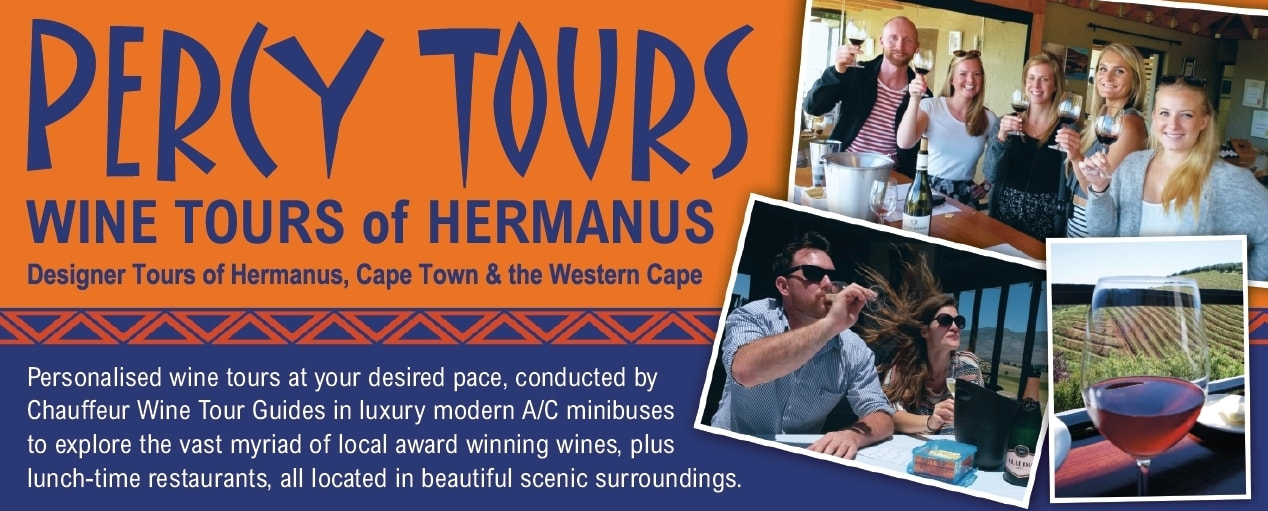
Wine Tours of Hermanus, Cape Town, Stellenbosch and beyond.... conducted by Percy Tours
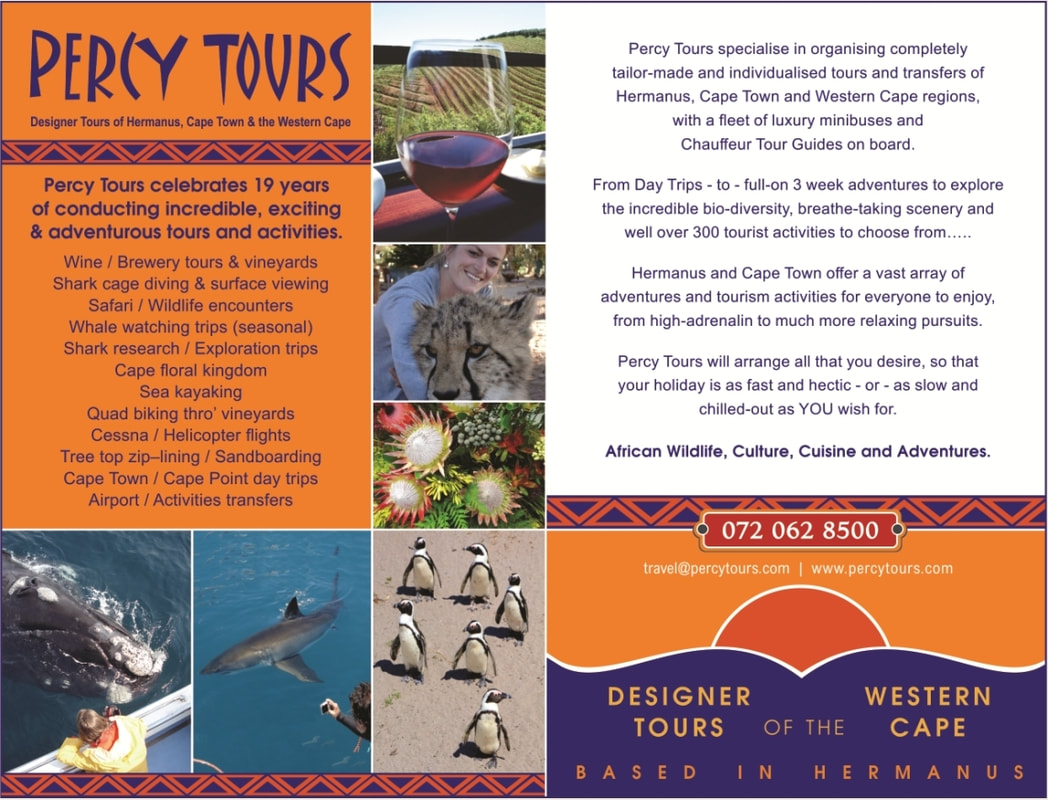
Percy Tours of Hermanus celebrates, in 2023, over 19 years of conducting tours, activities and adventures of Hermanus, Cape Town and the Western Cape
Safari Trips | Wine Tours | Great White Shark Cage Diving | Whale Watching Boat Trips | Night-life & Music | Hermanus | Paragliding | Massages | Sandboarding | Bungee Jumping | Sky Diving | Cuisine & Food | Helicopter Charters | Shopping | Plants & Botanical Gardens | Dyer Island & Sharks | Hermanus History | Photos of South Africa | Helicopter Trips | Cape Town | Beauty Treatments | Health Treatments | 3 Seater Cessna Plane Flights | Fynbos | Beaches | Penguin Colonies | Hot Air Balloons | Township Tours | Birds & Birding | Quad Biking | 3 week Travelogue Report | TripAdvisor | Accommodation | Kayaking | Blog | Media & Press | Big Cats | PRICES for ALL Activities and Adventures | Festivals | Abalone | BAD weather activities | Taxi Cab Transport | Weddings | White Water Rafting| Zip Lining | Weather Forecast for Hermanus | 100s of Activities | Instagram | TRIPADVISOR REVIEWS